The Ultimate Guide to Technical SEO & Schema Markup for Bloggers (2026)
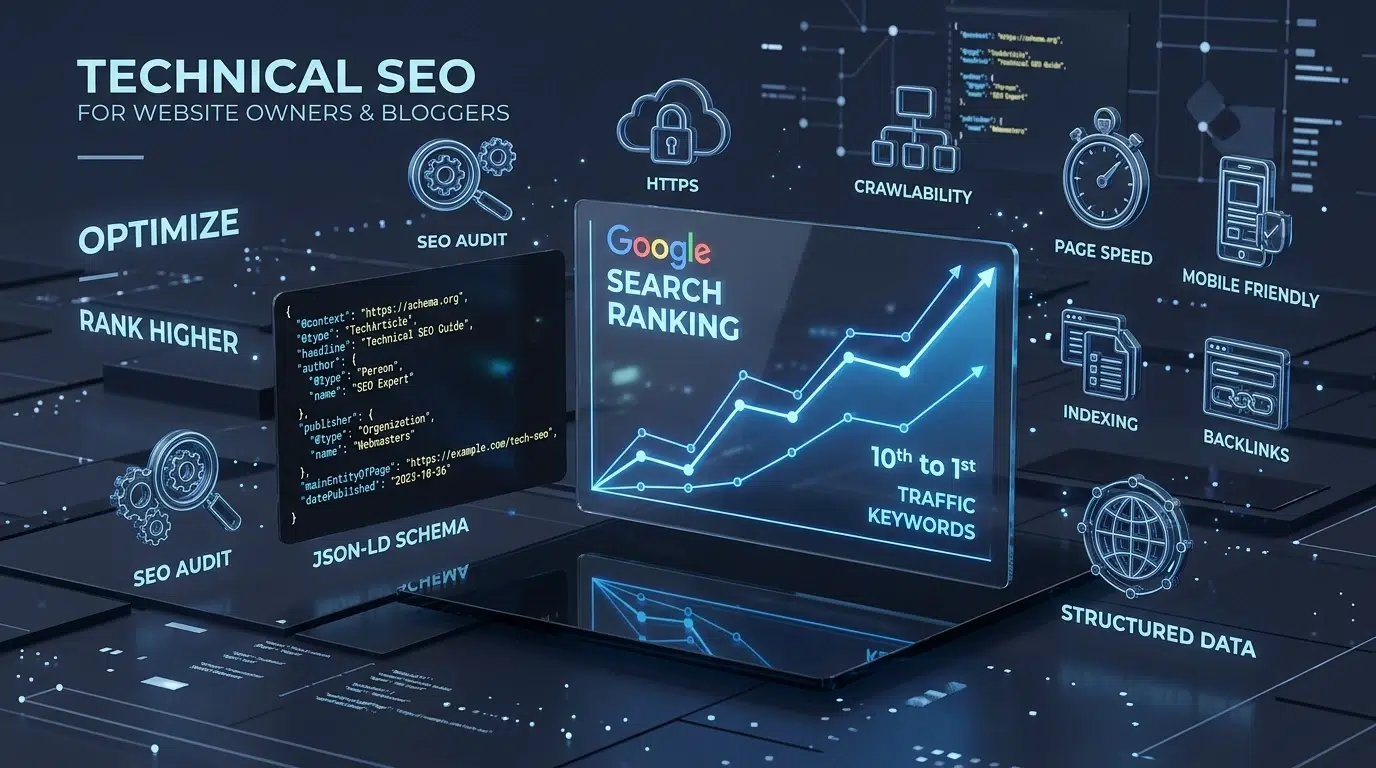
In 2026, creating high-quality content is only half the battle for bloggers and content creators. Search engine algorithms powered by advanced AI entities rely heavily on technical infrastructure, structured JSON-LD schema markup, and rapid page execution. Without proper technical SEO, even exceptional articles risk getting buried under search results.
In this definitive guide, we break down the core pillars of technical SEO for bloggers, step-by-step schema implementation, and how free online web tools help automate your site optimization.
1. What is Technical SEO for Bloggers?
Technical SEO encompasses all server, structural, and code-level optimizations that make your blog easy for search engine crawlers (Googlebot, Bingbot) to discover, crawl, index, and understand.
Unlike on-page SEO (which focuses on keyword usage and headings), technical SEO ensures:
- Fast server responses and optimal Core Web Vitals (LCP, INP, CLS).
- Clean crawling pathways via
robots.txtand XML sitemaps. - Structured semantic markup so AI engines parse your content topics accurately.
- Flawless mobile responsiveness and high security (HTTPS).
2. The Role of JSON-LD Schema Markup in 2026
Schema markup is a standardized vocabulary (from Schema.org) added to your blog HTML as JSON-LD code. It provides explicit clues to search engines about the meaning of a page.
Implementing schema unlocks coveted Google Rich Snippets, including star ratings, FAQ accordions, software badges, and author credentials directly in search results.
<script type="application/ld+json">
{
  "@context": "https://schema.org",
  "@type": "TechArticle",
  "headline": "The Ultimate Guide to Technical SEO for Bloggers",
  "author": {
    "@type": "Person",
    "name": "Toolfix SEO Team"
  },
  "publisher": {
    "@type": "Organization",
    "name": "Toolfix"
  }
}
</script>
3. Top 5 Schema Types Every Blog Needs
| Schema Type | Primary Benefit | Implementation Scope |
|---|---|---|
| BlogPosting / Article | Identifies headline, author, publish date, and featured image | All single blog posts |
| FAQPage | Describes Q&A content. Since August 2023 Google shows FAQ rich results only for well-known government and health sites, so most blogs won’t get the accordion | Articles with Q&A sections |
| BreadcrumbList | Shows clean category navigation trails above SERP titles | Entire website structure |
| SoftwareApplication | Describes a web app or tool (name, category, price); can show rating details when you have genuine reviews | Interactive tool & utility pages |
| Organization | Tells search engines your site name, logo and official profiles | Home page |
4. Optimizing Core Web Vitals for Speed
Google uses Core Web Vitals as direct ranking signals. To pass speed audits effortlessly:
- Convert Images to WebP: WebP files are typically 25–34% smaller than JPEGs of similar quality, and often much smaller than PNG photos.
- Resource Pre-Loading: Pre-connect critical font stylesheets and web assets.
- Minimize Layout Shift (CLS): Explicitly specify height and width attributes for all media containers.
5. Essential Free Online Tools for Bloggers
Streamline your technical auditing and content production with our recommended suites:
- SEO Tools Hub – Generate structured schemas, test meta tags, and optimize SERPs.
- Content Tools Hub – Analyze word counts, character limits, and text readability.
- E-Commerce Profit Guide – Master store profitability and ad spend formulas.
- All Tools Directory – Access our full suite of free webmaster tools.
Conclusion
Investing time in technical SEO and JSON-LD schema provides a permanent competitive edge in search rankings. Bookmark Toolfix.info today to access our free online tools for website owners, bloggers, and content creators!